
The End
On making space for life to return

I wanted to write about beginnings, though I have rarely been able to catch one as it happens. Time always feels crammed with middles, endings, and everything in between, and I suspect we recognise a beginning only after it has already passed. Rarely can we say, and here it begins. A child being born, yes. The laying of a house’s foundation, perhaps. A young person entering university, sure. But what of the moments when the heart changes? When its inclination shifts, when desire quietly turns toward something else? Those are harder to name. By the time we notice it, it’s too late—we are already in the middle of it.
And yet, the beginning—the moment when something that was not comes into being—is a universal experience. It is understood everywhere, whether in Tokyo or in a remote Amazonian tribe. The same is true of the end. We know it intimately. And here lies the paradox: if we truly long for a new beginning, and we are not too hypocritical, we must know that something has to end. Something gotta go. We cannot keep accumulating forever, we are not that infinite.
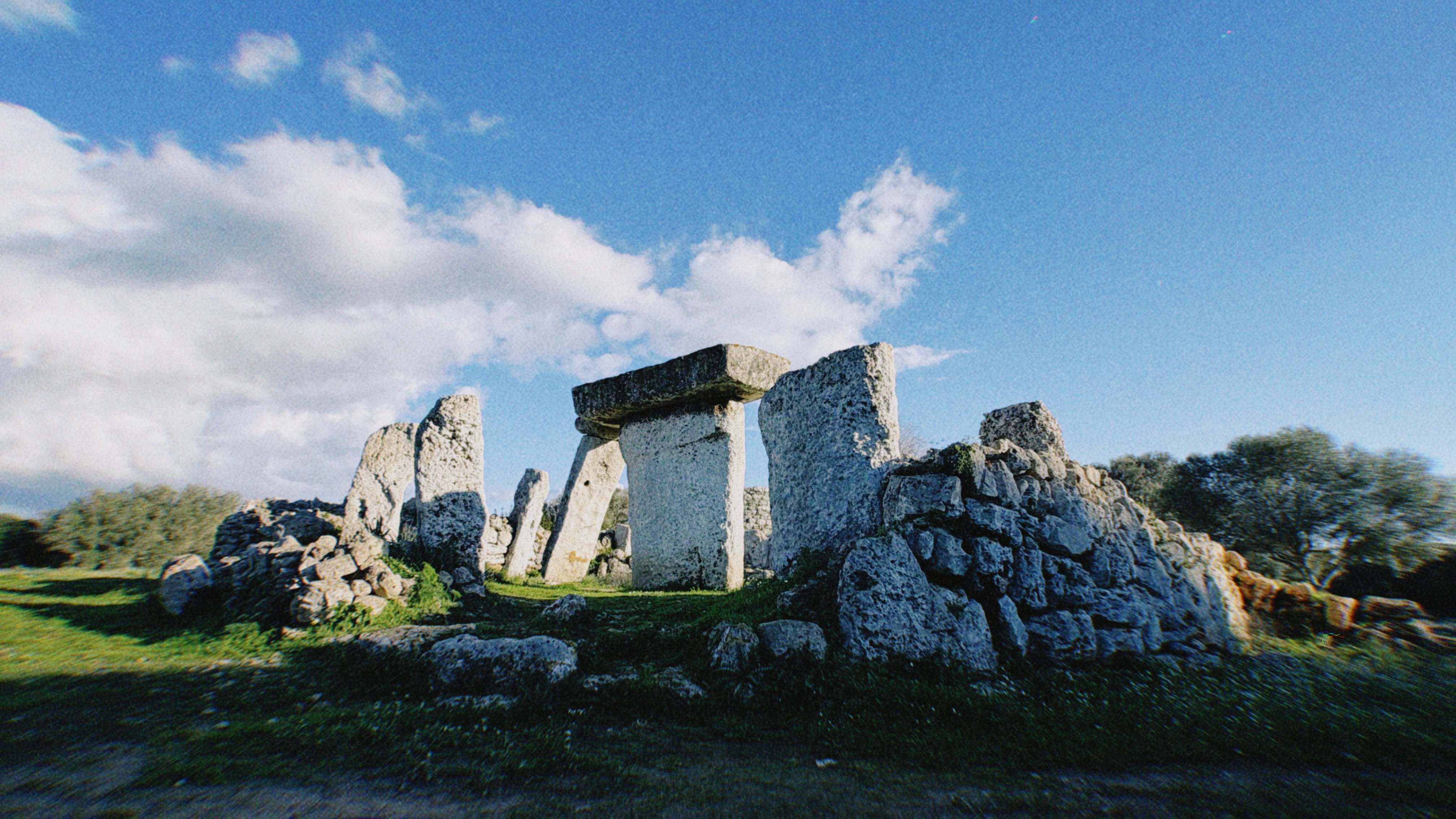
Here where I live, on a small Mediterranean island, its prehistoric people ritualised the end in such a pervasive way that it still permeates the landscape to this day. You cannot go anywhere without being reminded of death. Some would call it morbid, but I find it lucid and straightforward—because what is the point of pretending things are unchangeable when they are not? If we are destined to move through endings again and again, why do we keep kicking and screaming, “it is not fair”?
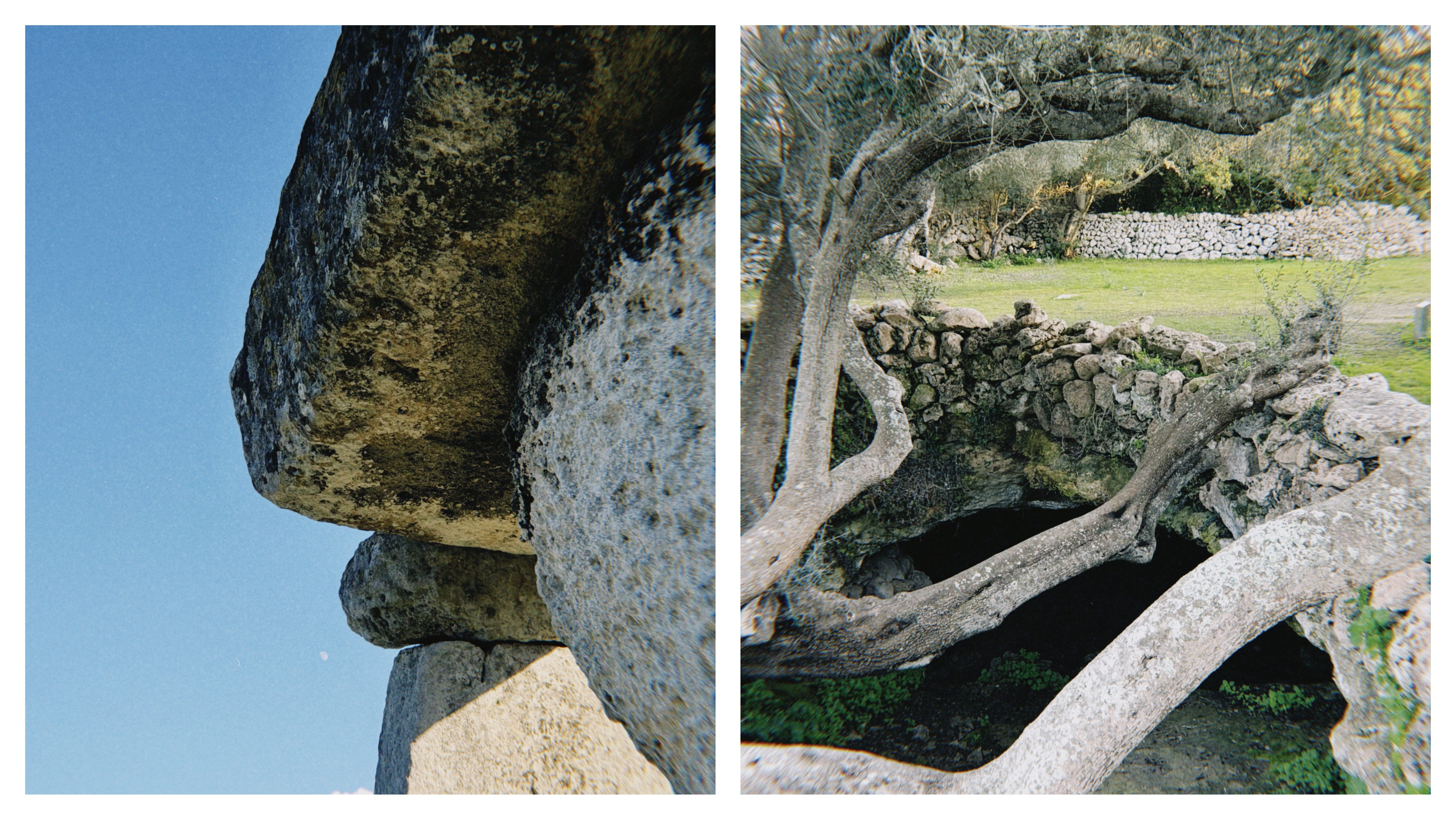
What these ancestors understood was not only poetic but profoundly practical. For them, the ritual moment was that of the setting of a star—its light disappearing from the world of the living, like the dead themselves. This was no abstraction; it was a discipline of perception. Their sanctuaries, aligned to track a particular celestial body—like the Sun, Moon, or a constellation—at significant times of the year, would receive the light of the rising star through the sanctuary’s main door, as if receiving the visit of divinity itself. Being bathed in light, as many traditions around the world show us, evokes a state of true and complete awareness—a moment when the completion of something is achieved by its integration in our consciousness. When the light reached the end of the site, finally illuminating its altar just before the star slipped below the horizon, blessings and offerings were made, marking the moment when the dead could finally be laid to rest1.
In ritualising the end, they placed the psyche in right relationship with the cyclical nature of things. Anyone who has grieved knows this well: the rational mind does little to mend the heart. Healing requires a language that reaches us in our innermost depths. It needs symbol, reenactment, story.
What they also knew—and we so often forget—is that disappearance does not mean extinction. A star vanishes only to return the next night, and the next, moving across the sky in its own rhythm. It does not cease to exist; it simply moves elsewhere, sometimes to places we cannot see. The same is true of what has died: its transformation must be placed in its proper realm, beneath our immediate awareness, like a seed buried in darkness, waiting to emerge again, transformed, when time is ripe.
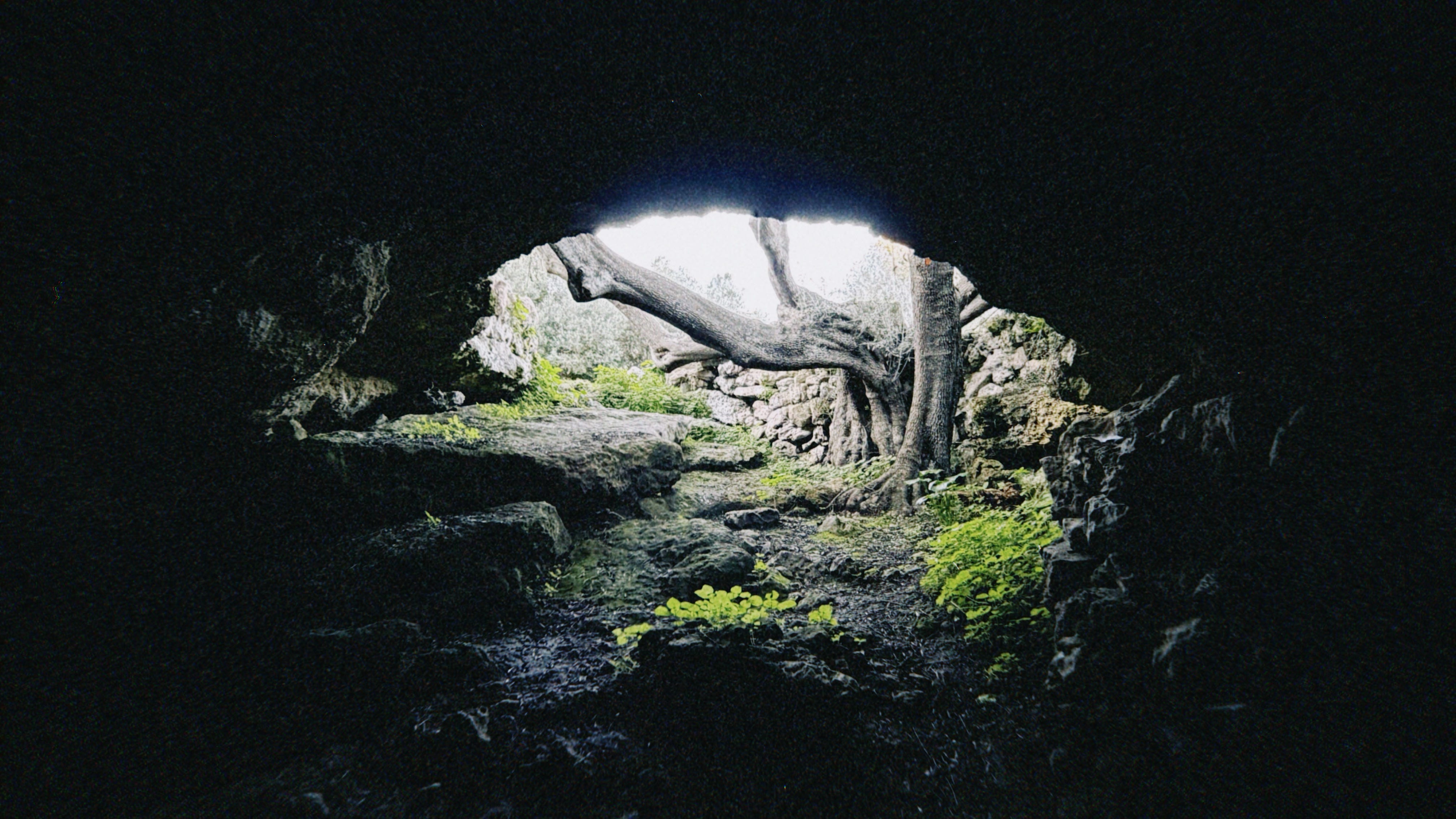
I wanted to write about beginnings, perhaps as a reflection on the striking astrology of 2026, but the end claimed me first. When something is finished, when it has truly died, it must be ritually buried and consciously let go, so that what is still alive can continue without being bound to what no longer breathes. We all know this experience: a relationship that ended badly and was pushed into denial, a job that was lost and never properly mourned, a dream that was violently crushed. The ancients remind us that what has died requires acknowledgment, ritual and burial—otherwise, it returns again and again, demanding our attention.
Because if we wish to create something new, we must first make space. We must clear what is no longer alive and place it, with reverence, where it can rest. Only then will it cease to bite at us, occupying a place meant for something else. Space is what allows a beginning to arrive—in its own time, with its own face. And perhaps, if we dare, we may keep this new space empty for a while—not rushing into the next thing, but giving ourselves time to arrive, so that what is quietly forming in our depths can finally take breath and find its way through. We are never fully conscious of what we are gestating. Allowing it to grow as it needs to is the quiet magic of it.
Book an Astrology reading or Deep Memory Process Regression session with me: thaiscoca.com
Ossos i estels - Fenòmens arqueoastronòmics en la prehistòria de Menorca - P. Hochsieder & D. Hois, p. 183.
Beautifully written… thank you for sharing.